Best Acne Scar Treatments
Acne may heal, but for many people, the marks it leaves behind can last much longer. Whether you call them acne scars or pimple scars, these changes in skin texture often affect confidence and can be difficult to improve with home remedies or over-the-counter skincare products alone.
One of the most common questions people ask is, “What is the best acne scar treatment?” The answer isn’t as simple as choosing a laser or a cream. Every scar is different, and the most effective treatment depends on the type of scar, your skin type, the severity of the damage, and your individual treatment goals.
At ANLON Skin & Aesthetics, we believe that successful acne scar treatment starts with an accurate diagnosis not a one-size-fits-all solution. Our dermatologist evaluates your skin, identifies the type of acne or pimple scars you have, and creates a personalised treatment plan that may combine multiple procedures to achieve gradual, natural-looking improvement.
In this comprehensive guide, you’ll learn:
- Best Acne Scar Treatments
- Why There Isn’t One “Best” Acne Scar Treatment
- What Are Acne Scars?
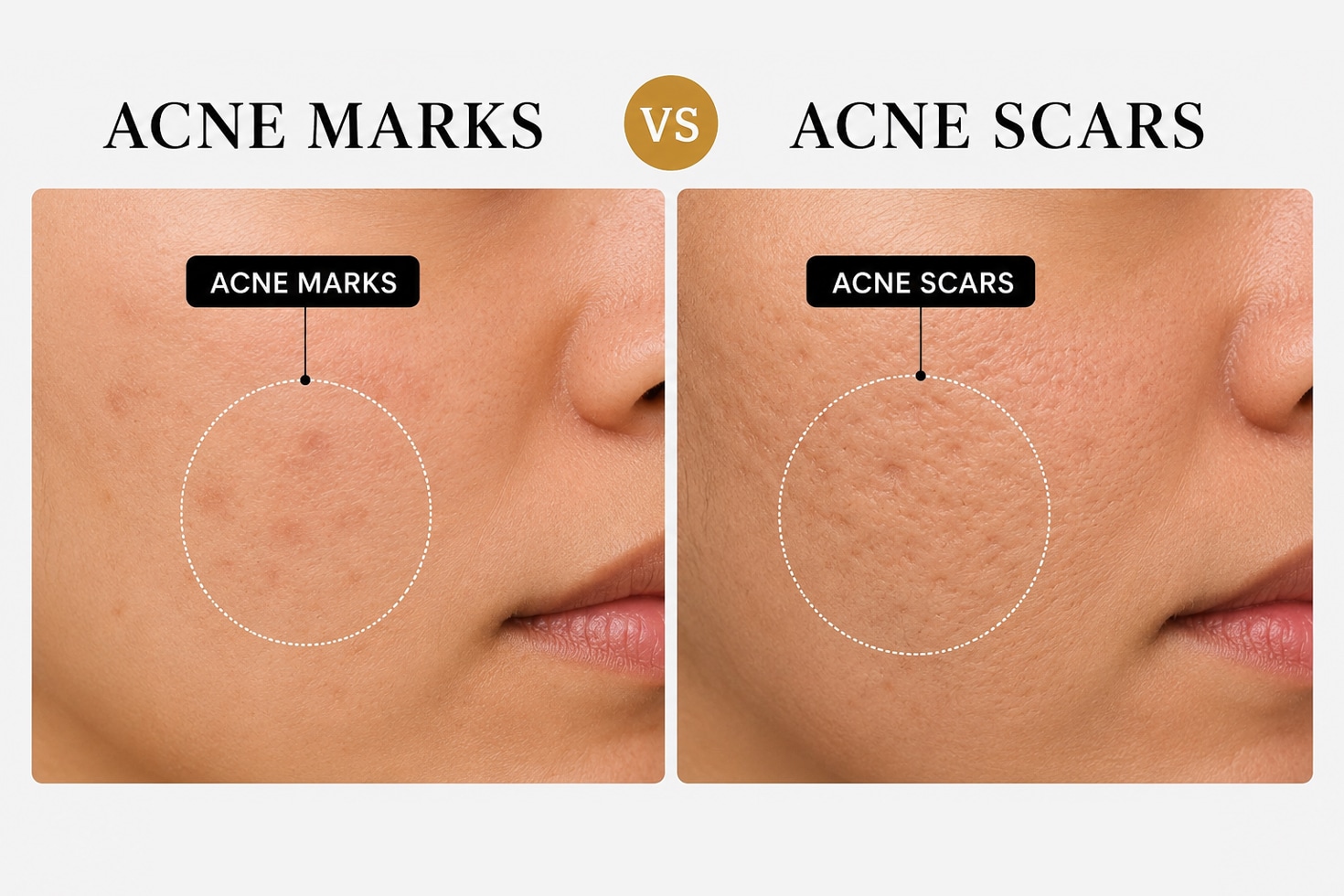
- Acne Scars vs Pimple Marks: What’s the Difference?
- Why Combination Therapy Often Produces Better Results
- Why Choose ANLON Skin & Aesthetics?
If you’re looking for reliable information about acne scar treatment, pimple scar removal, or advanced dermatologist-led solutions in Chennai, this guide will help you understand your options before beginning treatment.
Best Acne Scar Treatments
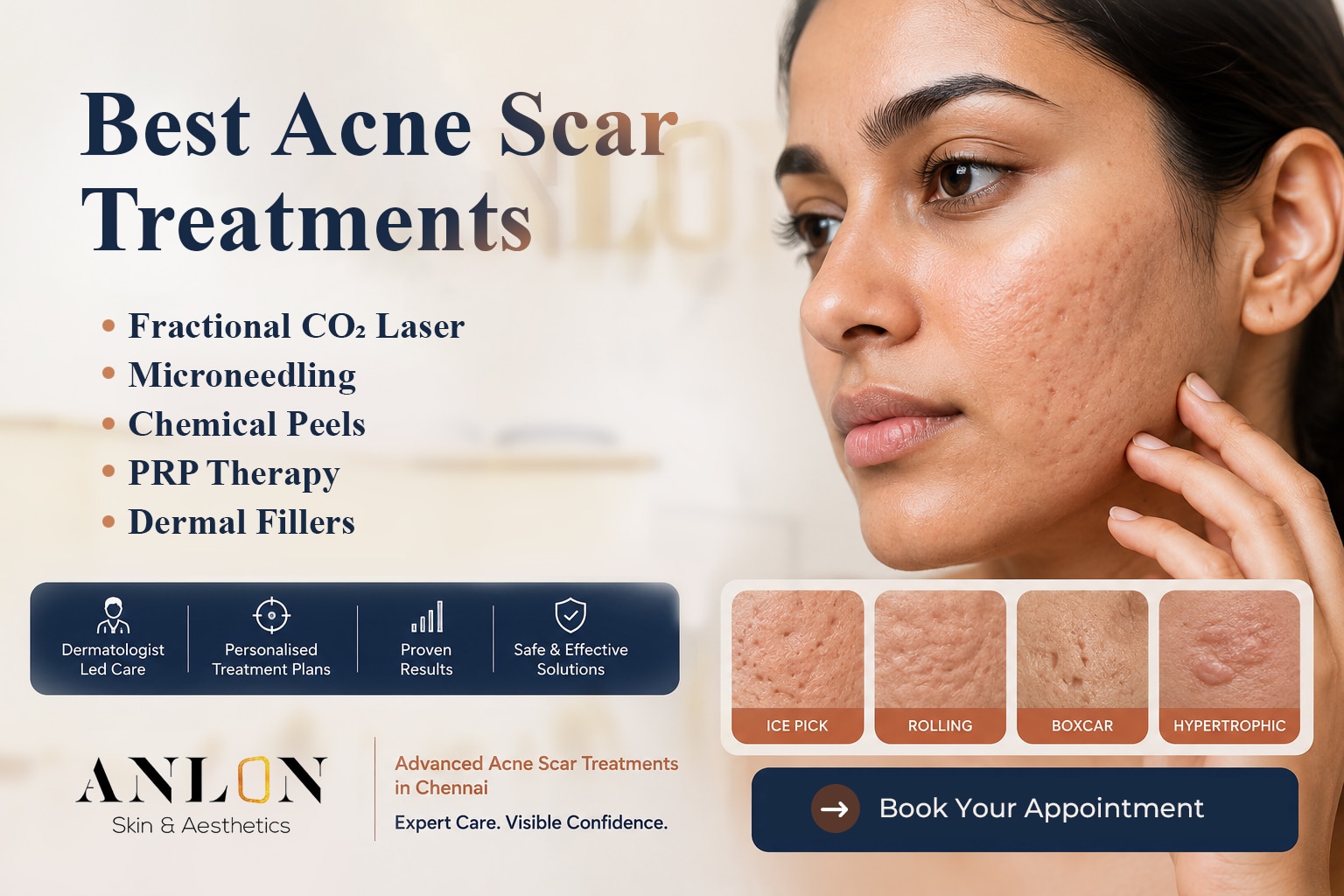
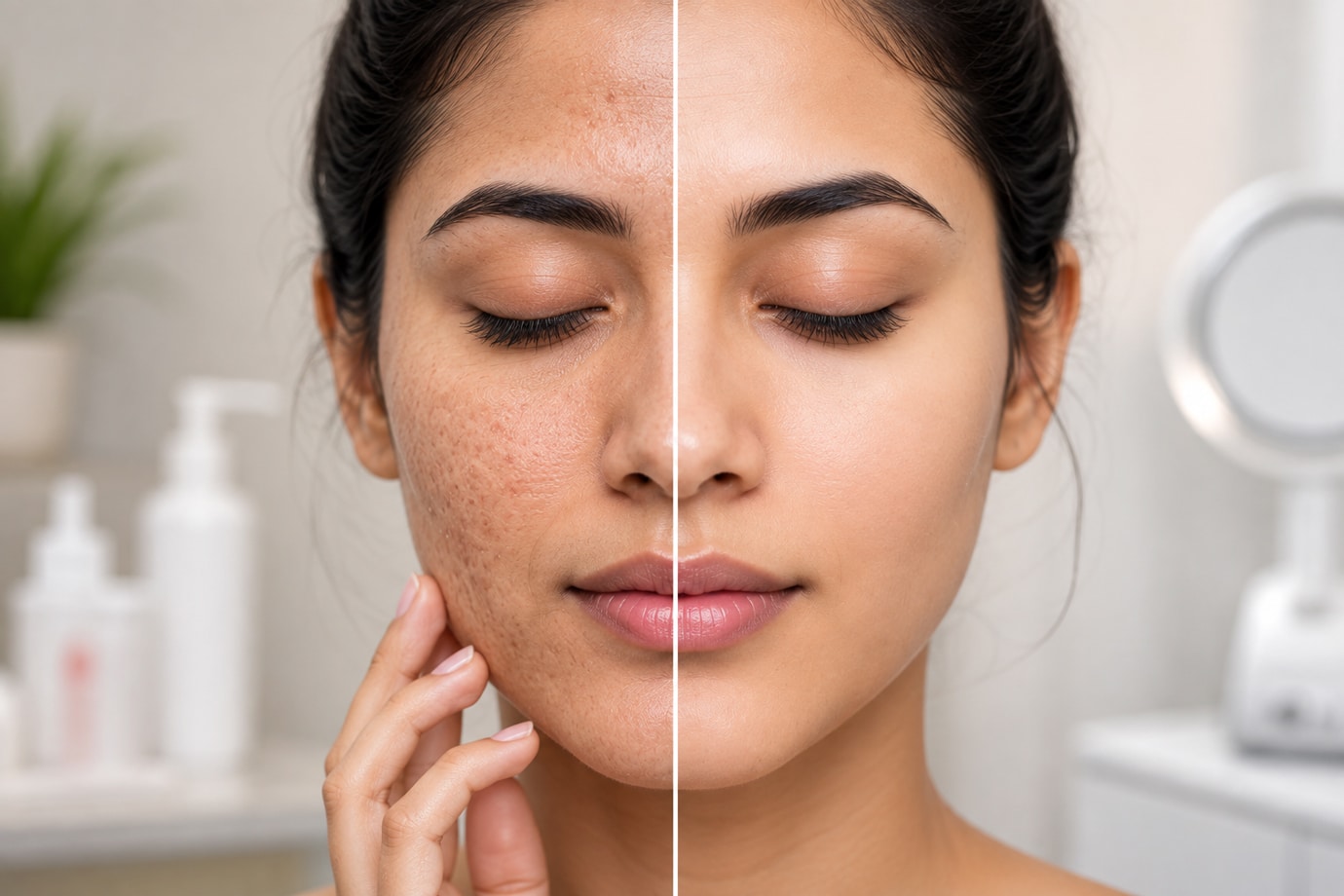
Modern dermatology offers several evidence-based treatments that improve acne scars by encouraging collagen remodelling and skin renewal. The most appropriate treatment depends on the scar type rather than choosing the newest or most popular procedure.
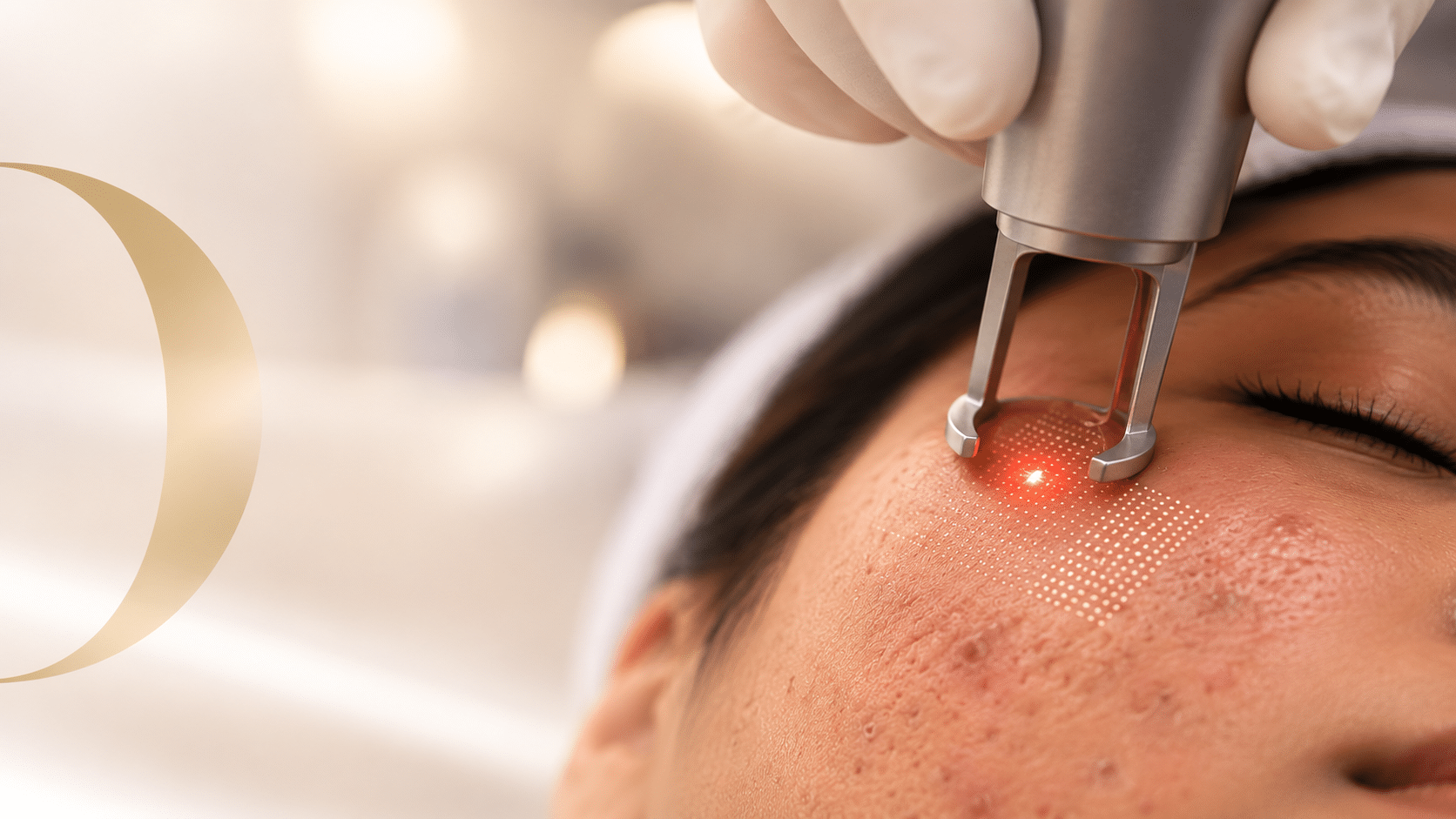
Fractional CO₂ Laser
Fractional CO₂ Laser is widely used to improve moderate to severe acne scars. The laser creates microscopic treatment zones within the skin while leaving surrounding tissue intact, encouraging natural collagen production and gradual skin resurfacing.
This treatment is commonly recommended for:
- Boxcar scars
- Rolling scars
- Mixed acne scars
- Uneven skin texture
Visible improvement occurs gradually as new collagen develops over several months.
Microneedling
Microneedling stimulates the skin’s natural healing process by creating controlled microchannels that encourage collagen and elastin production.
It is often recommended for:
- Mild to moderate acne scars
- Rolling scars
- Early boxcar scars
- Patients looking for minimal downtime
Microneedling is frequently combined with PRP or other treatments to enhance overall results.
Chemical Peels
Chemical peels improve superficial acne scars, post-acne pigmentation, and uneven skin tone by encouraging controlled exfoliation and healthy skin renewal. Different peel strengths are selected according to your skin type and concerns.
PRP Therapy
Platelet-Rich Plasma (PRP) uses growth factors derived from your own blood to support healing and collagen production. It is commonly used alongside Microneedling or Fractional CO₂ Laser rather than as a standalone acne scar treatment.
Dermal Fillers
For selected depressed acne scars, dermal fillers can temporarily restore lost volume beneath the skin, improving surface smoothness. Suitability depends on scar type and dermatologist assessment.
Subcision
Subcision is a minor surgical procedure designed to treat rolling scars. By releasing the fibrous bands that pull the skin downward, the depressed areas can lift naturally while stimulating collagen production.
It is often combined with Microneedling or Fractional CO₂ Laser as part of a staged treatment plan.
Why There Isn’t One “Best” Acne Scar Treatment
Many patients search online for the best acne scar treatment or the best treatment for pimple scars, hoping to find a single procedure that works for everyone.
In reality, there is no universal solution.
A patient with deep ice pick scars requires a different treatment plan from someone with rolling scars or superficial acne marks. Similarly, factors such as skin tone, healing response, previous treatments, active acne, and lifestyle all influence the choice of treatment.
This is why experienced dermatologists rarely rely on one procedure alone. Instead, they develop a personalised treatment plan that may combine different technologies over multiple sessions.
The goal is not simply to treat individual scars but to improve the overall texture, smoothness, and quality of the skin while maintaining realistic expectations.
What Are Acne Scars?
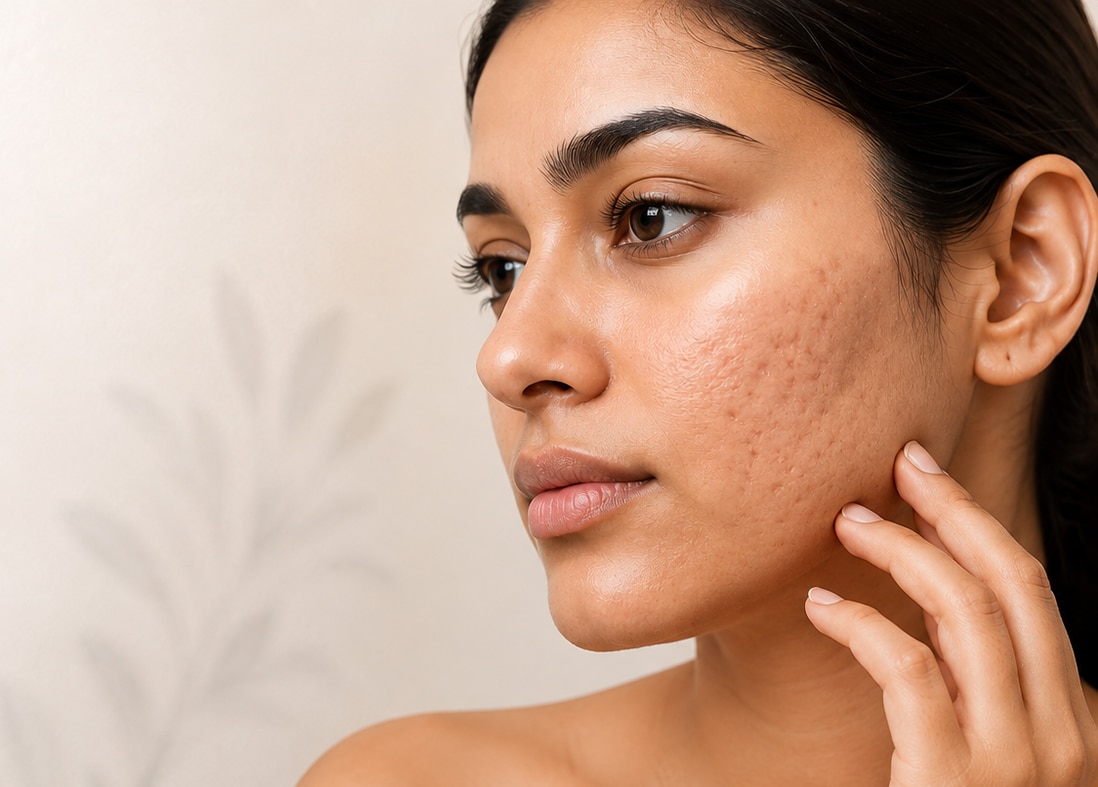
Acne scars are permanent structural changes that develop when inflamed acne damages the deeper layers of the skin. During the healing process, the skin attempts to repair itself by producing collagen. If too little collagen is produced, depressed scars can form. If too much collagen develops, raised scars may appear.
Unlike temporary acne marks that gradually fade over time, true acne scars change the skin’s texture. This is why many people notice small pits, depressions, or uneven skin even after their acne has completely cleared.
Several factors influence whether acne leaves scars, including:
- Severe inflammatory acne
- Delayed or inadequate treatment
- Picking or squeezing pimples
- Genetic tendency to scar
- Repeated breakouts in the same area
Early treatment of active acne often reduces the likelihood of permanent scarring. However, once acne scars develop, improvement usually requires professional treatment designed to stimulate collagen remodelling and improve skin texture.
Acne Scars vs Pimple Marks: What’s the Difference?
Many people use the terms acne scars, pimple scars, and acne marks interchangeably. Although they may appear similar, they are different skin concerns that require different treatment approaches.
Acne Marks (Post-Inflammatory Hyperpigmentation)
Acne marks are flat areas of pigmentation left behind after a pimple heals. They may appear brown, red, or pink depending on your skin tone. Because the skin’s structure remains intact, these marks often fade gradually with time and may improve with topical skincare, sunscreen, chemical peels, or pigment-focused treatments.
Acne Scars (Structural Changes)
Acne scars develop when inflammation damages collagen within the deeper layers of the skin. Instead of a colour change, the skin develops an uneven texture that appears as pits, depressions, or raised areas.
True acne scars generally require dermatologist-guided treatments such as laser resurfacing, microneedling, subcision, or TCA CROSS to improve their appearance.
Understanding whether you have acne marks, acne scars, or a combination of both is the first step towards choosing the most appropriate treatment.
Why Combination Therapy Often Produces Better Results
Many people have more than one type of acne scar. A single treatment may improve one scar while leaving another relatively unchanged.
This is why combination therapy is often recommended. For example:
- Subcision + Microneedling for rolling scars
- TCA CROSS + Fractional CO₂ Laser for deep ice pick scars
- Chemical Peels + Microneedling for acne marks and mild textural concerns
- Fractional CO₂ Laser + PRP to support collagen remodelling and recovery
A personalised treatment plan allows each procedure to address different layers of the skin, resulting in more comprehensive improvement over time.
Why Choose ANLON Skin & Aesthetics?
At ANLON Skin & Aesthetics, acne scar treatment is guided by clinical assessment rather than a standard package. Every consultation begins with understanding your scar pattern, skin type, previous treatment history, and expectations.
Our goal is to recommend treatments that are appropriate for your skin while providing realistic guidance on the number of sessions, expected recovery, and gradual improvements that occur as collagen remodels over time.
Because every patient is different, every treatment plan is different.
Final Thoughts
Whether you describe them as acne scars or pimple scars, effective treatment starts with identifying the type of scars you have—not simply choosing the latest procedure.
Modern treatments such as Fractional CO₂ Laser, Microneedling, Subcision, TCA CROSS, Chemical Peels, PRP Therapy, and Dermal Fillers have transformed the way acne scars are managed. When selected carefully and combined appropriately, they can significantly improve skin texture and help restore confidence.
If you’re considering acne scar treatment, a dermatologist consultation is the best place to begin. A personalised assessment can help determine which treatments are suitable for your skin and what results you can realistically expect over time.